Table of Contents
- Nevada Home Selling
- Which Areas in Nevada Offer the Best Return on Investment and Are Easiest for Residential Property Development?
- What Home Styles, Sizes, and Features Tend to Sell Fastest in the Nevada Market?
- What Should Home Sellers Know About Zoning Laws, Permits, and Regulatory Requirements in Nevada?
- Which Towns or Cities in Nevada Are Easiest, and Hardest, When It Comes to Navigating Real Estate Regulations?
- What Are the Most Effective Flipping and Resale Strategies for Maximizing Profit in Nevada's Housing Market?
- How Should Sellers Price Their Homes to Attract Buyers While Maximizing Value in Nevada?
- Which Key Economic, Social, and Regulatory Factors Are Driving Current Trends in Nevada's Local Property Markets?
Nevada Home Selling

Current trends in the Nevada housing market indicate steady prices, fueled by strong overall demand and limited inventory. In most metro and suburban areas, the number of available homes falls short of buyer demand, creating a market that currently leans in favor of sellers.
As of October 2025, the median sale price in Nevada was around $468,000, slightly higher than the national median of around $440,000, but well below California's median of more than $838,000.
Across the state, prices have held relatively steady over the past year, reflecting sustained interest from both in-state buyers and out-of-state relocators. However, with significantly more homes for sale in 2025 than in previous years, the median days on market stretched to 65 in October (+14 year over year).
Despite a jump in the number of listed homes without offers, investor activity and population growth continue to support elevated prices. Cities like Las Vegas, Reno, and Henderson contribute the most to statewide transaction volumes, while smaller towns like Elko and Pahrump see more seasonal or investment-driven activity.
One of the key drivers of Nevada supply is its above-average rate of new privately owned housing authorizations. The Silver State ranked 10th in the nation in housing units authorized per 1,000 residents, with most new construction concentrated in Clark and Washoe Counties.
In terms of property tax rates, Nevada remains one of the most friendly states in the country, which is a draw for investors and retirees in particular. Homeowners pay an average effective property tax rate of just 0.49% annually, with only three states boasting a lower annual average.
Nevada consistently ranks among the worst states in foreclosure activity due in large part to a volatile economy that's heavily dependent on tourism and hospitality. With one foreclosure for every 2,747 housing units, Nevada suffered the fifth highest foreclosure rate in the country, pointing to affordability issues and an unpredictable housing market.
Which Areas in Nevada Offer the Best Return on Investment and Are Easiest for Residential Property Development?
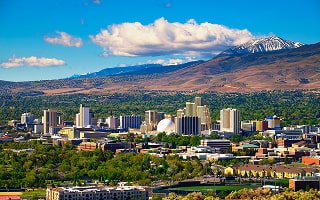
The diverse local property markets in Nevada present several opportunities for real estate investors looking to turn a profit or build a long-term rental portfolio. While there are many locations throughout the state that offer solid return prospects, the following places may be even better positioned, with strong appreciation potential and opportunities to maximize return on investment (ROI):
-
Las Vegas Metro: The Las Vegas Metro area has high rental demand, a booming tourism industry, and over 300 new home communities, making it ideal for short-term and long-term investments. Zoning and permitting requirements are also streamlined in many parts of the valley, facilitating development.
-
Henderson: Henderson is known for safety, upscale master-planned communities, and proximity to Las Vegas. The city offers stable appreciation potential and strong rental yields, with neighborhoods like Green Valley and Anthem attracting both families and retirees.
-
Reno: Reno's housing demand is backed by its tech-driven economy, including the presence of major brands like Tesla, Apple, and Google. Rising rents and over 100 new home communities make the location attractive to developers and investors.
-
North Las Vegas: With affordable land and active infrastructure expansion, North Las Vegas has quickly become one of the fastest-growing cities in Nevada. For investors, it's ideal for entry-level builds and multiunit developments.
-
Sparks: Located adjacent to Reno, Sparks benefits from its neighbor's local tech boom. With slightly lower entry prices, Sparks is growing fast and continues to see strong rental demand
-
Winnemucca: With low property taxes and overall affordability, Winnemucca has enjoyed appreciation rates of nearly 10% annually for the past five years. For investors, it's ideal for small-scale development and long-term holds.
-
Ely: Ely is one of Nevada's most affordable markets, and has seen over 45% appreciation in the last five years. With low competition and favorable local regulations, this mountain town is attractive to both investors and developers.
-
Lovelock: Lovelock has experienced rapid appreciation, with prices more than doubling from 2018 to 2025. With historic charm, affordable prices, and a welcoming regulatory climate, Lovelock is attractive for adaptive reuse and small-lot development.
-
Fernley: Located near the Tesla Gigafactory and lithium-processing plants, Fernley is experiencing industrial-driven employment expansion. Its proximity to Reno and access to development-ready land give it strong upward momentum, driving continued housing demand.
-
Pahrump: Located just outside Las Vegas, Pahrump offers large lots, manufactured housing potential, and over 55% appreciation over five years. This location is a favorite for retirees and remote workers.
What Home Styles, Sizes, and Features Tend to Sell Fastest in the Nevada Market?
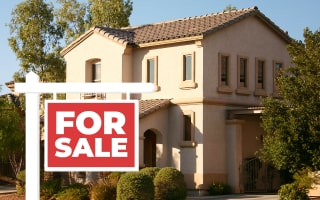
Homes in Nevada typically take longer to sell than the national average. Statewide, the median days on the market is around 55-65, depending on the city. For example, homes in Las Vegas tend to sell in around 55 days, while homes in other areas may sit on the market for several months before receiving an offer.
Investors looking to sell homes quickly in the Nevada real estate market should consider certain features, as homes with the following elements tend to sell fastest in the Silver State:
-
![]() Bedrooms: Homes built with 3 bedrooms and 2-3 bathrooms are among the most favored by buyers in Nevada. These types of homes tend to sell faster in areas like North Las Vegas, Henderson, Sparks, and Pahrump. In Henderson, safe neighborhoods, top-ranked schools, and low property taxes create consistently high demand. In North Las Vegas, affordability and new construction options draw both investors and first-time buyers. In Sparks, homes sell quickly due to job opportunities in nearby Reno, while Pahrump demand is driven by population spillover from Las Vegas and the appeal of low-cost living.
Bedrooms: Homes built with 3 bedrooms and 2-3 bathrooms are among the most favored by buyers in Nevada. These types of homes tend to sell faster in areas like North Las Vegas, Henderson, Sparks, and Pahrump. In Henderson, safe neighborhoods, top-ranked schools, and low property taxes create consistently high demand. In North Las Vegas, affordability and new construction options draw both investors and first-time buyers. In Sparks, homes sell quickly due to job opportunities in nearby Reno, while Pahrump demand is driven by population spillover from Las Vegas and the appeal of low-cost living.
-
![]()
Size and Lot: In Nevada, homes measuring between 1,500 and 2,200 square feet and sitting on lots between 0.12 and 0.25 acres tend to sell the fastest across many suburban and exurban markets. These homes offer a balance between indoor space, outdoor usability, and manageable upkeep. In South Reno, such homes are popular with young professionals and families working in the growing tech corridor. In Summerlin, they attract empty nesters and out-of-state buyers looking to downsize without sacrificing comfort. In Fernley, the combination of affordable prices and proximity to industrial job centers, like Tesla's Gigafactory, has increased demand for mid-sized homes.
Note that smaller homes (those around 1,100-1,400 square feet) located near schools, job centers, or transportation hubs also sell fast, as they're especially popular with younger buyers and investors looking for affordable homes and convenience factors.
-
![]() Style: Fast-selling home styles in Nevada include Southwestern contemporary, Spanish revival, and modern single-story homes. Ranch-style homes are especially popular among retirees and entry-level buyers in areas like North Las Vegas, Carson City, and Mesquite, where affordability and accessibility are key. In Henderson and Southwest Las Vegas, Spanish revival and contemporary homes are in demand due to their clean lines, tile roofs, and indoor-outdoor living appeal. In Sparks, buyers often seek modern single-story homes with stucco finishes and open interiors, which are common in newer subdivisions. Custom Craftsman-inspired homes also sell faster in scenic communities near Incline Village, where buyers prioritize design charm and mountain views.
Style: Fast-selling home styles in Nevada include Southwestern contemporary, Spanish revival, and modern single-story homes. Ranch-style homes are especially popular among retirees and entry-level buyers in areas like North Las Vegas, Carson City, and Mesquite, where affordability and accessibility are key. In Henderson and Southwest Las Vegas, Spanish revival and contemporary homes are in demand due to their clean lines, tile roofs, and indoor-outdoor living appeal. In Sparks, buyers often seek modern single-story homes with stucco finishes and open interiors, which are common in newer subdivisions. Custom Craftsman-inspired homes also sell faster in scenic communities near Incline Village, where buyers prioritize design charm and mountain views.
-
![]() Modern Upgrades: In Nevada, homes with modern upgrades sell more quickly across most cities and neighborhoods. In Las Vegas, updated interiors with energy-efficient appliances, luxury vinyl flooring, and quartz countertops appeal to investors and second-home buyers. In Reno, smart home features and open-concept kitchens are favored by tech professionals and university employees. In Henderson, families often look for homes with updated HVAC systems, finished garages, and landscaped backyards suited for entertaining. In Sparks and North Las Vegas, homes with renovated bathrooms, new roofs, and solar panels attract value-conscious buyers who still want move-in-ready options. Across most Nevada markets, these features are increasingly seen as essentials rather than extras.
Modern Upgrades: In Nevada, homes with modern upgrades sell more quickly across most cities and neighborhoods. In Las Vegas, updated interiors with energy-efficient appliances, luxury vinyl flooring, and quartz countertops appeal to investors and second-home buyers. In Reno, smart home features and open-concept kitchens are favored by tech professionals and university employees. In Henderson, families often look for homes with updated HVAC systems, finished garages, and landscaped backyards suited for entertaining. In Sparks and North Las Vegas, homes with renovated bathrooms, new roofs, and solar panels attract value-conscious buyers who still want move-in-ready options. Across most Nevada markets, these features are increasingly seen as essentials rather than extras.


What Should Home Sellers Know About Zoning Laws, Permits, and Regulatory Requirements in Nevada?

Several location-specific elements combine to shape the overall value of a property and determine how profitable a real estate investment might be in Nevada. One specific area investors and developers must pay close attention to is local zoning regulations and permitting requirements. This is because these regulations and requirements aren't uniform across the state. Each city or county is allowed to apply different rules that may influence whether a property can be developed, expanded, renovated, rented, or sold.
Before closing a real estate deal, many buyers in Nevada request a zoning verification or compliance letter. This official document confirms the current zoning status of the property and allowable uses. Without this document, real estate deals may be delayed or canceled due to legal uncertainties or noncompliance issues.
The following information highlights the zoning and permitting climate in Nevada, arranged by the areas that are more or less strict in their zoning requirements, along with municipalities that have other special requirements:
-
Areas with strict zoning laws: Some areas in Nevada maintain tight control over land use, building alterations, and density regulations. These places typically have highly specific zoning codes, mandatory design guidelines, and lengthy approval processes. In Boulder City, for example, zoning is tightly managed to preserve its small-town character; many property changes require planning board review, and short-term rentals are largely restricted. Similarly, Incline Village on Lake Tahoe's north shore enforces strict height, lot coverage, and design standards, especially in scenic or environmentally sensitive zones.
-
Areas with less bureaucratic zoning laws: Certain Nevada cities and towns take an adaptive approach to zoning and land-use regulations by offering greater flexibility for renovations, expansions, or new uses. In North Las Vegas, for instance, zoning ordinances have been revised to support higher-density and mixed-use developments, especially near major corridors and transit routes. Property owners there often find it easier to secure approvals for duplex conversions, lot splits, or small infill projects. Likewise, in Sparks, recent zoning updates have aimed to streamline permitting and allow accessory dwelling units (ADUs) in more residential districts. Additionally, some parts of Fernley and Mesquite offer relatively low-barrier zoning processes that encourage new development or the reuse of existing buildings.
-
Places where special permits are required via public hearing and approval from the zoning board: In some Nevada municipalities, certain changes, like conditional uses, lot size reductions, or rezoning, require public hearings and zoning board approvals. For example, Carson City mandates Planning Commission hearings for major variances or use changes involving commercial or mixed-use conversions in residential neighborhoods. In Washoe County, particularly outside Reno's urban core, proposals involving rural land or hillside development frequently require a formal public process involving Citizen Advisory Boards. Sellers in these areas must also disclose any unapproved additions or structures to buyers during a sale to avoid future legal liabilities.
-
Areas where a Certificate of Occupancy is mandatory before legal occupation: A Certificate of Occupancy (CO) isn't always required across Nevada, but in larger municipalities like Las Vegas and Reno, it's often mandatory before any newly built, renovated, or repurposed home can be occupied. When selling a home in Las Vegas, the municipality will not issue final sale approval on homes lacking a CO after significant work, like converting a garage or finishing a basement. Similarly, in Clark County, short-term rental properties must not only be registered but also have valid COs before listing for rent.
-
Places where a historic commission's approval is required for certain renovations, material usage, and changes of appearance: Several Nevada cities preserve the architectural and cultural integrity of specific districts through Historic Preservation Commissions (HPCs) or similar boards. In Reno, homes within the Wells Avenue Conservation District or the Newlands Heights Historic Area fall under appearance controls. Any plans to alter roofing, siding, windows, or porches typically need HPC review. The same applies in Las Vegas's John S. Park and Beverly Green historic neighborhoods, where changes to facades, materials, or landscaping cannot proceed without city approval. Violations in these zones may lead to fines or the reversal of unapproved work. Sellers in these areas, as in all of Nevada, are legally required to disclose any unauthorized modifications during real estate transactions.
Which Towns or Cities in Nevada Are Easiest, and Hardest, When It Comes to Navigating Real Estate Regulations?

In order to prevent contract delays or declines in resale value, sellers and developers in Nevada must ensure their projects comply with all state and local requirements. These requirements include local zoning ordinances, securing any required permits, and gaining approval from relevant planning or zoning authorities where necessary.
The list below highlights examples of areas that are more supportive of development, and those that may pose greater challenges due to stricter oversight or slower approval processes:
Development-Friendly Areas
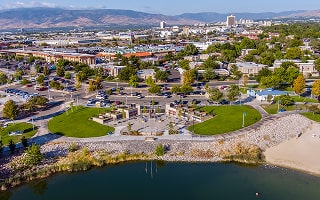
These jurisdictions are especially attractive to builders, investors, and home sellers due to their zoning adaptability, quicker permitting processes, and active support for new housing initiatives.
- North Las Vegas: The city has updated several zoning categories to encourage residential infill and higher-density housing. Its Planning and Zoning Division offers expedited reviews for many small- and mid-scale projects.
- Sparks: Known for promoting development near key corridors, Sparks encourages the use of underutilized parcels for multiunit housing and live-work spaces. Zoning changes in recent years have allowed greater flexibility.
- Fernley: Local officials have aligned zoning and land-use policies with regional growth targets. Smaller developers benefit from easier subdivision approval and reduced permitting delays.
- Mesquite: While smaller in population, Mesquite is recognized for being builder-friendly, with a permitting process that favors new home construction and townhome development.
Moderately Regulated Areas
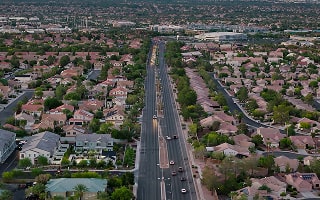
These Nevada cities maintain a reasonable balance between regulation and housing growth. Developers may face standard application reviews, especially for multifamily or mixed-use proposals, but zoning clarity and administrative structure generally allow for a predictable process.
- Henderson: While very pro-development, Henderson requires stricter design review in newer master-planned neighborhoods. Mixed-use proposals may require community input sessions, especially near schools or parks.
- Carson City: The city's review process is relatively predictable, but any substantial project typically goes before the planning commission. Multifamily housing or variances need additional review, although timelines for these processes remain relatively reasonable.
- Pahrump: Pahrump supports residential growth, particularly in large-lot zoning areas. However, subdivisions and rental conversions may trigger discretionary reviews.
- Fallon: The city's zoning rules are stable and clearly defined. Though fast-tracking isn't common, approval paths are straightforward for those familiar with city planning codes.
Highly Restrictive or Bureaucratic Areas
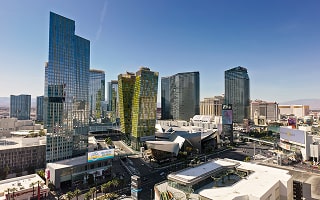
Some Nevada jurisdictions impose stringent standards for zoning approval, renovation permits, or design changes. These cities typically involve historic preservation commissions, neighborhood councils, or layered review processes that can delay construction or limit certain types of housing.
- Boulder City: Known for preserving its small-town charm, Boulder City imposes lot-size minimums and strict building height limits, and restricts multiunit developments.
- Incline Village: Located in the Lake Tahoe Basin, this area operates under multiple overlapping zoning layers, including environmental and scenic protections. Design reviews are mandatory for most alterations.
- Las Vegas: While much of Las Vegas is developer-friendly, areas like the Beverly Green and John S. Park Historic Districts require formal historic commission approvals for exterior changes and remodels.
- Genoa: As one of Nevada's oldest settlements, any new construction or redevelopment in Genoa's historic overlay is subject to heritage design standards, with public comment often required.
Regulatory Climate Factors

Local rules in Nevada determine how easy or challenging it is for investors and developers to build, remodel, or flip a home in the state. These rules can differ significantly between cities, towns, or counties. Understanding the type of regulatory environment you're working in is essential for avoiding setbacks and managing project timelines effectively.
The overview below shows the typical regulatory conditions in many parts of the Silver State, as well as their impact on development. Investors, sellers, and developers can use the information in the table to make informed decisions when navigating Nevada's real estate landscape.
Factor |
Impact on Development |
Where It's Found |
|---|---|---|
Zoning Flexibility |
Determines ease of land use |
North Las Vegas, Sparks, Fernley, Mesquite, unincorporated Clark County, and Henderson |
Historic Preservation Laws |
Adds restrictions |
Downtown Las Vegas Historic District, Virginia City, and parts of Reno's Midtown |
Wetlands/Conservation |
Limits buildable land |
Lake Tahoe Basin, Washoe Lake, and parts of Southern Nevada's desert ecosystems, such as Boulder City |
Inclusionary Zoning |
Requires affordable units |
Las Vegas (certain overlays) and Reno |
Building Code Enforcement |
Affects cost/speed |
Las Vegas, Carson City, and Reno |
Local Politics/NIMBYism* |
Blocks or delays projects |
Affluent neighborhoods of Summerlin, Incline Village, and some Sparks and Reno suburbs |
*NIMBYism - Not in My Backyard
What Are the Most Effective Flipping and Resale Strategies for Maximizing Profit in Nevada's Housing Market?

Nevada's flipping landscape holds solid potential for real estate investors aiming to profit from short- and medium-term resale opportunities. However, to be successful, flippers or resellers must adopt the right strategies tailored to the local market dynamics.
Across the state, investors must keep up with emerging housing trends, pricing shifts, and buyer preferences to maximize ROI. Although the state's lack of an individual income tax and low property tax rates attract a wide range of buyers, sticky interest rates and rising inventory levels mean flippers must pivot to new strategies that address current market conditions and challenges.
The following approaches are some of the most effective flipping and resale strategies in the Nevada housing market:
-
![]()
Target Distressed or Foreclosed Homes: Distressed homes remain some of the most discounted entry points in cities such as North Las Vegas and some parts of Reno. These properties include those sold at auctions, pre-foreclosures, and bank-owned inventory (REOs). Using this approach, investors can find properties up to 40% below market value. In Southern Nevada, foreclosure filings have slightly increased year over year, presenting attractive opportunities to flippers.
-
![]()
Use the 70% Rule: Many flippers in Nevada rely on the 70% Rule, as it allows them to purchase properties at a good value. The rule states that buyers should pay no more than 70% of the after-repair value (ARV) minus repair costs. It's especially relevant in markets such as Sparks and Las Vegas, where the median resale price is currently between $420,000 and $460,000.
-
![]()
Try Wholetailing for Speed: Wholetailing involves making cosmetic improvements before resale, but avoiding major renovations. Such improvements include painting, landscaping, and flooring, which can be completed quickly before reselling a property.
-
![]()
Build Strong Deal Pipelines with Lead Generation: This approach involves networking with local agents and wholesalers to create a steady pipeline of opportunities. Flippers can use social media, direct mail, or SEO to find off-market properties. With Las Vegas's growing competition, exclusive deal access, especially before properties hit the MLS, is key to profit. Many investors also utilize software platforms like PropStream or DealMachine to locate motivated sellers and distressed properties.
-
![]()
Renovate with Quality, Don't Cut Corners: Property buyers in Nevada are becoming increasingly value-conscious. This means that homes with cheap cosmetic updates that cover up underlying issues may linger on the market for longer. To maximize ROI, home sellers should consider doing quality renovations and avoid cutting corners.
-
![]()
Use the Buy, Rehab, Rent, Refinance, Repeat (BRRRR) Method: The BRRRR approach is well suited for parts of Nevada where rental demand is strong, such as downtown Reno or growing suburbs like North Las Vegas. Investors can flip the equity into another project while retaining a cash-flowing asset to grow their rental portfolios. Landlord-friendly laws and the lack of an individual state income tax make the BRRRR model especially effective in many locations across Nevada.
-
![]()
Try Micro-Flipping (Digital Wholesaling): Micro-flipping is a term used to describe buying and reselling properties quickly through digital platforms. It's become popular in urban centers like Las Vegas, where demand is consistently high. To use this approach, investors source properties from databases such as MLS, Zillow, and Mashvisor, then resell to other investors or owner-occupants. This strategy works well for tech-savvy investors who want to avoid rehabs and instead focus on fast transaction volume.
-
![]()
Go Beyond Cosmetic Work (Value-Add Flipping): In areas with flexible zoning, such as parts of Reno or Clark County, flippers can convert single-family homes into duplexes or add ADUs. Other value-add plays include building additions, finishing basements, or converting garages into livable spaces, where legally allowed. These projects take longer but can yield significantly higher resale values.
-
![]()
Target FHA 203(k) Buyers: With this approach, flippers who are looking to resell renovated properties target FHA 203(k) loan buyers, who are approved for both the property purchase and rehab costs. Properties in livable but outdated condition appeal to this buyer group, particularly in areas with more first-time buyers, like North Las Vegas or Fernley.
-
![]()
Explore Creative and Seller Financing: Some investors in Nevada find success in the state's housing market via creative financing. This approach is useful when sellers are motivated but have equity. Tools such as subject-to agreements, lease options, and seller carryback financing help investors control properties with less upfront capital, especially in higher-priced areas like Henderson or Incline Village.
-
![]()
Stage and Price Strategically: In the current Nevada market, professionally staged homes, especially in locations such as Las Vegas and Henderson, typically sell up to 30% faster and for higher prices than unstaged properties. Staging involves adding visual appeal elements to a property or emphasizing the property's strong points to attract buyers. In addition to professional staging, strategic pricing, such as listing just under certain price thresholds, such as $399,900 instead of $405,000, can significantly increase buyer interest and offers.


How Should Sellers Price Their Homes to Attract Buyers While Maximizing Value in Nevada?

Understanding the conditions and trends of the local real estate market is critical to setting an asking price that's attractive to buyers and helps maximize ROI. One of the best ways to achieve this is to work with a local real estate agent or appraiser who is able to compare and analyze similar homes that have sold nearby in the last three months. This analysis can help owners arrive at a list price that's favorable to both buyers and sellers.
In Nevada, sellers who use smart pricing strategies based on current trends in their area often see more buyer interest and better offers.
Below are some proven pricing methods that can help sellers choose the right list price:
-
![]() Pricing Just Below Below Market Thresholds: Pricing just below key market thresholds, like listing a home at $399,000 instead of $400,000, can increase its visibility across more search filters. This strategy is frequently used in Las Vegas suburbs such as Summerlin and Green Valley, as well as in Henderson and North Las Vegas, where buyers commonly set price ceilings in digital searches.
Pricing Just Below Below Market Thresholds: Pricing just below key market thresholds, like listing a home at $399,000 instead of $400,000, can increase its visibility across more search filters. This strategy is frequently used in Las Vegas suburbs such as Summerlin and Green Valley, as well as in Henderson and North Las Vegas, where buyers commonly set price ceilings in digital searches.
-
![]() Charm Pricing (Psychological Pricing): Charm pricing suggests listing homes at slightly irregular but emotionally appealing prices, such as $474,900 instead of $475,000. Sellers and investors often use this approach in Sparks, Pahrump, and Southwest Reno, where buyers are price-sensitive but emotionally driven by visual value.
Charm Pricing (Psychological Pricing): Charm pricing suggests listing homes at slightly irregular but emotionally appealing prices, such as $474,900 instead of $475,000. Sellers and investors often use this approach in Sparks, Pahrump, and Southwest Reno, where buyers are price-sensitive but emotionally driven by visual value.
-
![]() Pricing to Create a Bidding War: In locations such as Inspirada, Spanish Springs, and certain Las Vegas neighborhoods, sellers sometimes deliberately price homes just below market value to generate multiple offers. This approach creates urgency and competition, often leading to a sale price that exceeds the asking price. The strategy is also effective in areas near top-rated schools or in newer master-planned communities, where buyer demand regularly outpaces supply.
Pricing to Create a Bidding War: In locations such as Inspirada, Spanish Springs, and certain Las Vegas neighborhoods, sellers sometimes deliberately price homes just below market value to generate multiple offers. This approach creates urgency and competition, often leading to a sale price that exceeds the asking price. The strategy is also effective in areas near top-rated schools or in newer master-planned communities, where buyer demand regularly outpaces supply.
-
![]() High-Anchor Pricing (Test the Waters): High-anchor pricing involves listing the property at the top of the market range in order to allow room for negotiation. This technique is common in locations such as The Ridges in Summerlin, MacDonald Highlands in Henderson, and Incline Village near Lake Tahoe. These markets attract buyers who expect to negotiate and can absorb higher price points.
High-Anchor Pricing (Test the Waters): High-anchor pricing involves listing the property at the top of the market range in order to allow room for negotiation. This technique is common in locations such as The Ridges in Summerlin, MacDonald Highlands in Henderson, and Incline Village near Lake Tahoe. These markets attract buyers who expect to negotiate and can absorb higher price points.
-
![]() Appraisal-Backed Pricing: This is a popular strategy used in areas with heavy FHA and VA buyer activity, such as North Las Vegas, Fernley, and parts of East Las Vegas. By pricing near the expected appraisal value, sellers can reduce the risk of failed transactions due to appraisal shortfalls. This strategy is especially relevant in markets where buyers have moderate incomes or depend heavily on financing.
Appraisal-Backed Pricing: This is a popular strategy used in areas with heavy FHA and VA buyer activity, such as North Las Vegas, Fernley, and parts of East Las Vegas. By pricing near the expected appraisal value, sellers can reduce the risk of failed transactions due to appraisal shortfalls. This strategy is especially relevant in markets where buyers have moderate incomes or depend heavily on financing.
-
![]() Price-Per-Square-Foot Benchmarking: This approach is ideal in communities with consistent home types, such as Mountain's Edge, Providence, and Skye Canyon in Las Vegas, or D'Andrea and Wingfield Springs in Sparks. This is because these areas have uniform layouts, allowing sellers to base list prices on per-square-foot values of recent sales. Buyers in these communities also tend to be savvy and rely on this benchmark as a primary pricing metric.
Price-Per-Square-Foot Benchmarking: This approach is ideal in communities with consistent home types, such as Mountain's Edge, Providence, and Skye Canyon in Las Vegas, or D'Andrea and Wingfield Springs in Sparks. This is because these areas have uniform layouts, allowing sellers to base list prices on per-square-foot values of recent sales. Buyers in these communities also tend to be savvy and rely on this benchmark as a primary pricing metric.
In the price-per-square-foot benchmarking approach, pricing is typically adjusted slightly up or down based on lot size, upgrades, or premium views.
-
![]() Net-to-Seller Pricing: In towns such as Mesquite, Elko, and Fallon, sellers often use net-to-seller pricing to ensure they meet financial obligations like outstanding mortgages or equity goals. This strategy involves working backward from the seller's desired net proceeds after deducting real estate commissions (typically 5%-6%), closing costs, and potential concessions.
Net-to-Seller Pricing: In towns such as Mesquite, Elko, and Fallon, sellers often use net-to-seller pricing to ensure they meet financial obligations like outstanding mortgages or equity goals. This strategy involves working backward from the seller's desired net proceeds after deducting real estate commissions (typically 5%-6%), closing costs, and potential concessions.
-
![]() Urgency Pricing (Motivated Seller Strategy): Sellers facing foreclosure, divorce, or probate situations sometimes adopt urgency pricing in central Las Vegas, older neighborhoods in Reno, or high-turnover towns like Winnemucca and Ely. With this approach, sellers list the property under its market value and often include tags like "priced to sell," "motivated seller," or "must close quickly" in the listing description to draw attention from cash buyers and investors.
Urgency Pricing (Motivated Seller Strategy): Sellers facing foreclosure, divorce, or probate situations sometimes adopt urgency pricing in central Las Vegas, older neighborhoods in Reno, or high-turnover towns like Winnemucca and Ely. With this approach, sellers list the property under its market value and often include tags like "priced to sell," "motivated seller," or "must close quickly" in the listing description to draw attention from cash buyers and investors.


To get the best ROI when selling a home in Nevada, it's important for sellers to choose a smart pricing method fitting for the conditions in their local market. Depending on the area, the right strategy can make a big difference in how quickly a home sells and how much it sells for. The table below shows different pricing approaches that work well in different parts of Nevada.
Market Condition |
Best Strategy |
|---|---|
Seller's Market |
Underpricing for a bidding war |
Buyer's Market |
Charm pricing or net-to-seller |
Unique, luxury home |
High-anchor + value justification |
Entry-level home |
Just below threshold |
Urgent sale needed |
Aggressive urgency pricing |
Flipper or investor listing |
Appraisal-backed or price-per-square-foot |
Which Key Economic, Social, and Regulatory Factors Are Driving Current Trends in Nevada's Local Property Markets?

The following factors play critical roles in shaping local property markets in Nevada:
![]() Economic Factors
Economic Factors
 Economic Factors
Nevada's housing demand is closely tied to strong economic growth across major metros like Las Vegas, Reno, and Henderson. The state's gross domestic product (GDP) continued to rise in 2025, largely fueled by booming sectors such as logistics, advanced manufacturing, data centers, and tourism. Cities like Reno and Henderson have seen notable job creation and wage growth, attracting professionals and driving the need for both rental and owner-occupied housing. However, despite these economic gains, home price appreciation, rising 3%-5% year over year, has outpaced income growth in many areas.
![]() Demographic and Social Factors
Demographic and Social Factors
 Demographic and Social Factors
Nevada's population has grown significantly in recent years, driven by inbound migration, especially from neighboring California and Arizona. This influx of residents seeking lower taxes, better affordability, and job opportunities places upward pressure on home prices in counties like Clark and Washoe.
Also, urban centers such as Las Vegas and Reno continue to expand, while exurban areas like Pahrump and Fernley attract buyers seeking larger lots and lower home prices.
Note that Nevada's age distribution contributes to a diverse housing market; about 22% of households have children under 18, while nearly 16% are over 65, creating demand for both starter homes and retirement-friendly properties.
![]() Regulatory and Legal Framework
Regulatory and Legal Framework
 Regulatory and Legal Framework
With nearly 85% of the state's land controlled by the federal government, the amount of developable land is limited, especially near urban centers. This has contributed to housing shortages and high land prices in cities like Las Vegas and Reno.
Meanwhile, zoning and land-use regulations in counties and municipalities can vary, but the permitting process for new residential developments is often slow due to overlapping state and federal oversight.
On the rental side, legislative efforts like Assembly Bill 280 have proposed rent control, with proponents citing the need for tenant protection, while opponents argue it could discourage new rental construction and worsen housing supply issues.
![]() Taxation and Fiscal Policy
Taxation and Fiscal Policy
 Taxation and Fiscal Policy
One of Nevada's most attractive features for residents and investors is its lack of individual state income tax and capital gains tax. This fiscal environment encourages relocation, particularly among retirees, remote workers, and investors from higher-tax states like California.
While property taxes in Nevada are significantly lower than the national average, sellers still need to consider transaction costs like real estate commissions (usually between 5%-6% of the purchase price) and closing fees, which can add 3% or more.
![]() Housing Policy and Government Programs
Housing Policy and Government Programs
In response to growing housing pressure in the Silver State, the state government has lobbied the federal government to release more public land for residential construction. For instance, in Las Vegas, officials aim to build up to 15,000 new subsidized housing units to combat the shortage of affordable homes.
![]() Infrastructure and Development Trends
Infrastructure and Development Trends
 Infrastructure and Development Trends
Infrastructure investments and large-scale development projects are actively reshaping Nevada's real estate markets. For example, Las Vegas is undergoing a major transformation with plans for a new MLB stadium, continued development along the Strip, and proposals for a high-speed rail link to Southern California. These projects stimulate economic activity and increase property values in nearby neighborhoods.
Similarly, Reno's Tahoe-Reno Industrial Center, home to Tesla's expanding operations, continues to draw in skilled labor and logistics demand, boosting suburban housing growth.
![]() Market Sentiment and Investor Behavior
Market Sentiment and Investor Behavior
 Market Sentiment and Investor Behavior
Currently, Nevada shows a roughly four-month supply of homes and 14.9% of sales closing above asking. This trend is indicative of a neutral market where smart pricing and staging drive success. Also, year-over-year appreciation has slowed to about 3%, with inventory climbing by an average of more than 26% in 2025. Still, investors remain keen on high-growth local markets such as Elko, Whitney, and Spanish Springs, where job gains and limited stock lead to stiff competition and bidding wars.
Note that continued interest from California and Pacific Northwest buyers continues to drive demand in Las Vegas, Henderson, and Reno, with many leveraging Nevada's tax advantages and relatively lower prices to expand their portfolios.
Nevada offers a compelling environment for real estate investors, flippers, and developers seeking solid returns on their investment. From fast-growing cities like North Las Vegas and Fernley to high-appreciation areas like Lovelock and Ely, investors can find opportunities tailored to a variety of budgets and goals.
Navigating the Silver State's comparatively volatile housing market successfully requires more than just scouting for a strong local market. It demands knowledge of local regulations, buyer preferences, and pricing strategies in alignment with the specific dynamics in that local market. Consequently, investors and flippers who understand the varying zoning and regulatory climates across the state, apply market-specific resale strategies, and price intelligently will be sufficiently positioned to secure maximum ROI in the Nevada real estate landscape.
Table of Contents
- Nevada Home Selling
- Which Areas in Nevada Offer the Best Return on Investment and Are Easiest for Residential Property Development?
- What Home Styles, Sizes, and Features Tend to Sell Fastest in the Nevada Market?
- What Should Home Sellers Know About Zoning Laws, Permits, and Regulatory Requirements in Nevada?
- Which Towns or Cities in Nevada Are Easiest, and Hardest, When It Comes to Navigating Real Estate Regulations?
- What Are the Most Effective Flipping and Resale Strategies for Maximizing Profit in Nevada's Housing Market?
- How Should Sellers Price Their Homes to Attract Buyers While Maximizing Value in Nevada?
- Which Key Economic, Social, and Regulatory Factors Are Driving Current Trends in Nevada's Local Property Markets?